BHAVYA Rasayan Scheme Aims to Strengthen India’s Chemical Manufacturing Ecosystem
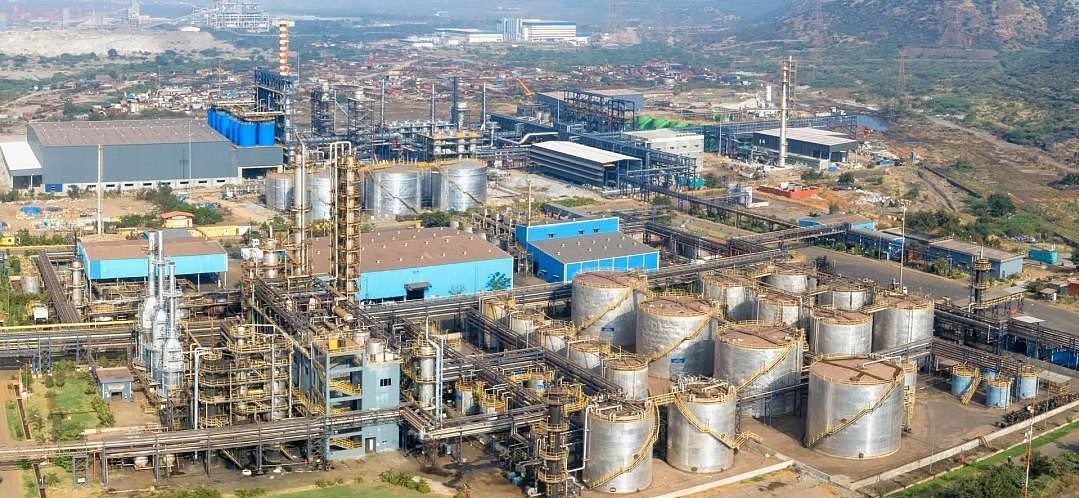
India is looking to strengthen its chemical and petrochemical manufacturing base through the BHAVYA Rasayan Scheme, a government initiative designed to encourage investment, develop industrial infrastructure and improve the competitiveness of the country's chemical sector.
The scheme is expected to support the development of manufacturing clusters and infrastructure while helping chemical companies expand domestic production capabilities and integrate more deeply into global supply chains.
What Is the BHAVYA Rasayan Scheme?
The BHAVYA Rasayan Scheme is intended to provide a structured framework for developing chemical manufacturing infrastructure and industrial clusters.
The initiative focuses on creating an environment where chemical manufacturers can establish or expand production facilities with access to common infrastructure and supporting services.
This approach can be particularly important for the chemical industry, where manufacturing projects often require specialised utilities, environmental infrastructure, logistics and waste-management systems.
Focus on Manufacturing Infrastructure
One of the major potential benefits of the scheme is the development of shared industrial infrastructure.
Chemical manufacturing clusters can provide companies with access to common facilities and services, potentially reducing the infrastructure burden for individual manufacturers.
Depending on the implementation of the scheme, such infrastructure can include:
- Common utilities
- Effluent treatment facilities
- Waste-management infrastructure
- Water and power facilities
- Storage and logistics infrastructure
- Testing and quality facilities
- Industrial connectivity
- Other common manufacturing services
Shared infrastructure can help companies focus more of their investment on manufacturing capacity, technology and product development.
Encouraging New Chemical Manufacturing Investments
The scheme is also expected to encourage investment in new manufacturing projects.
For the chemical industry, attracting investment into domestic production is important because India continues to import several chemicals, intermediates and specialty products.
Additional domestic manufacturing capacity could help strengthen supply availability while creating opportunities for companies to develop products that can serve both Indian and international markets.
The potential impact is particularly relevant to specialty chemicals, advanced materials and downstream chemical products where domestic production capabilities can support broader industrial development.
Opportunities for Small and Mid-Sized Manufacturers
Large chemical companies are not the only potential beneficiaries.
Well-developed chemical clusters can also make it easier for small and medium-sized manufacturers to establish operations by providing access to infrastructure that would otherwise require significant individual investment.
This can lower some of the entry barriers associated with chemical manufacturing and potentially encourage more companies to move from trading or formulation activities into domestic production.
A stronger cluster ecosystem could also encourage partnerships between manufacturers, suppliers, technology providers and service companies.
Supporting India's Chemical Supply Chain
A stronger domestic manufacturing base can have an impact across the wider chemical supply chain.
Increased production capacity can generate additional demand for:
- Chemical raw materials
- Intermediates
- Specialty chemicals
- Process chemicals
- Industrial equipment
- Packaging materials
- Laboratory and testing services
- Waste-management solutions
- Logistics and warehousing
This creates opportunities not only for chemical producers but also for companies providing supporting products and services.
Potential Benefits for Exports
The scheme could also support India's ambition to increase its participation in global chemical supply chains.
Manufacturers with access to reliable infrastructure and competitive production economics can potentially use India as a manufacturing base for international markets.
Export competitiveness, however, will depend on several factors beyond infrastructure, including product quality, manufacturing technology, regulatory compliance, logistics costs and access to global customers.
Reducing Infrastructure and Environmental Challenges
Chemical manufacturing requires specialised environmental and safety infrastructure.
Common facilities within industrial clusters can help companies address some of these requirements more efficiently than developing completely independent systems for every manufacturing unit.
This is particularly relevant for effluent treatment, waste management, water management and other environmental requirements.
Well-designed clusters can therefore support both industrial growth and more organised environmental management.
Creating a More Integrated Chemical Ecosystem
Another potential benefit of the scheme is greater integration between different parts of the chemical industry.
A manufacturing cluster can bring together producers of basic chemicals, intermediates and downstream specialty products alongside logistics companies, technology providers, testing laboratories and other supporting businesses.
Such concentration can improve collaboration and create opportunities for companies to develop more integrated domestic supply chains.
What It Could Mean for Chemical Manufacturers
For existing manufacturers, the scheme could provide opportunities to expand production or establish additional manufacturing facilities.
For companies considering new investments in India, the availability of dedicated infrastructure could improve the feasibility of projects that require significant utilities and environmental facilities.
The potential benefits will ultimately depend on the detailed implementation of the scheme, including eligibility criteria, infrastructure development, incentives and the locations selected for participating clusters.
- 3 dedicated Chemical Parks
- ₹3,030 crore total outlay
- Up to ₹1,000 crore central support per park
- common infrastructure
- plug-and-play facilities
- waste/environmental infrastructure
- lower logistics and production costs
- import substitution
- exports and global competitiveness
- opportunities for chemical manufacturers and downstream industries
ChemEnrich Industry View
The BHAVYA Rasayan Scheme could become an important step toward strengthening India's chemical manufacturing ecosystem.
The biggest opportunity is not simply the creation of additional industrial capacity. A well-developed cluster model can bring together manufacturing, infrastructure, environmental management, technology, logistics and supply-chain capabilities in one ecosystem.
If implemented effectively, the scheme could encourage new investments, support domestic production, improve manufacturing competitiveness and create opportunities for both large chemical companies and smaller specialty-chemical manufacturers.
For India's chemical industry, the longer-term impact will depend on how quickly the proposed infrastructure is developed and how effectively it translates policy support into commercially viable manufacturing projects.
Source: Government of India policy announcements and disclosures.