cadmium fluoride Chemical Formula
difluorocadmium
cadmium fluoride CAS No: 7790-79-6 cadmium fluoride Molecular formula: CdF2 PubChem CID: 24634
Hazard
Danger
cadmium fluoride Chemical Manufacturers and suppliers listings
No active product listings for cadmium fluoride chemical yet.
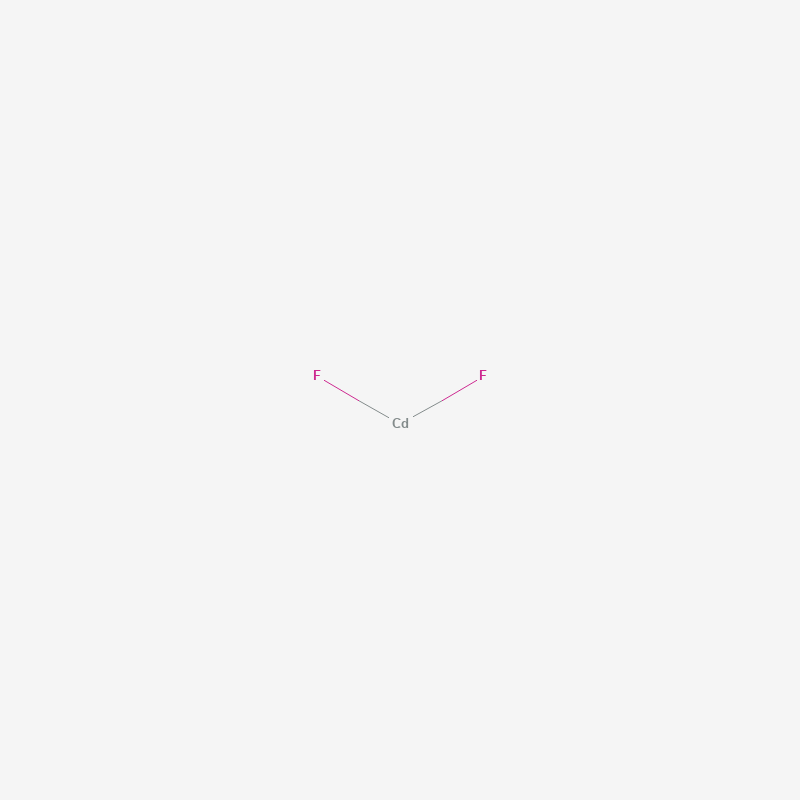
cadmium fluoride Structure
1.25×
cadmium fluoride Formula
- CAS Number
- 7790-79-6
- Molecular formula
- CdF2
- Molecular weight
- 150.41
- Exact mass
- 151.900171
- IUPAC name
- difluorocadmium
- SMILES
F[Cd]F- InChI
InChI=1S/Cd.2FH/h;2*1H/q+2;;/p-2- InChIKey
LVEULQCPJDDSLD-UHFFFAOYSA-L
Data source: Pubchem
view
cadmium fluoride Industries & Uses
Glass Manufacturing
cadmium fluoride Synonyms (23 total)
232-222-0
7790-79-6
AKOS030228603
Cadmium difluoride
Cadmium Fluoratum
CADMIUM FLUORIDE
Cadmium fluoride (99.98%-Cd)
Cadmium fluoride (CdF2)
Cadmium fluorure
Cadmium fluorure [French]
Cadmium(II) fluoride
CdF2
difluorocadmium
DTXCID2048086
DTXSID6064878
EINECS 232-222-0
M0975E7Z8Z
NS00082322
Q425236
RefChem:58742
Cadmium fluoride, Puratronic(R); 99.99 % (metals basis)"
SCHEMBL662658
UNII-M0975E7Z8Z
cadmium fluoride Safety & hazards
Signal wordDanger
Hazard statements
- H301: Toxic if swallowed [Danger Acute toxicity, oral]
- H330: Fatal if inhaled [Danger Acute toxicity, inhalation]
- H340: May cause genetic defects [Danger Germ cell mutagenicity]
- H350: May cause cancer [Danger Carcinogenicity]
- H372 **: Causes damage to organs through prolonged or repeated exposure [Danger Specific target organ toxicity, repeated exposure]
- H400: Very toxic to aquatic life [Warning Hazardous to the aquatic environment, acute hazard]
- H410: Very toxic to aquatic life with long lasting effects [Warning Hazardous to the aquatic environment, long-term hazard]
- H301 (100%): Toxic if swallowed [Danger Acute toxicity, oral]
- H330 (100%): Fatal if inhaled [Danger Acute toxicity, inhalation]
- H340 (100%): May cause genetic defects [Danger Germ cell mutagenicity]
- H350 (100%): May cause cancer [Danger Carcinogenicity]
- H360 (100%): May damage fertility or the unborn child [Danger Reproductive toxicity]
- H372 (100%): Causes damage to organs through prolonged or repeated exposure [Danger Specific target organ toxicity, repeated exposure]
- H400 (100%): Very toxic to aquatic life [Warning Hazardous to the aquatic environment, acute hazard]
- H410 (100%): Very toxic to aquatic life with long lasting effects [Warning Hazardous to the aquatic environment, long-term hazard]
- H372: Causes damage to organs through prolonged or repeated exposure [Danger Specific target organ toxicity, repeated exposure]
Data sourced from PubChem