Chloroacetyl Chloride Chemical Formula
2-chloroacetyl chloride
Chloroacetyl Chloride CAS No: 79-04-9 Chloroacetyl Chloride Molecular formula: C2H2Cl2O PubChem CID: 6577
Hazard
Danger
Chloroacetyl Chloride Chemical Manufacturers and suppliers listings
| Supplier | Product | CAS | Action |
|---|---|---|---|
| Archit Organosys Limited | Chloroacetyl Chloride Liquid | 79-04-9 |
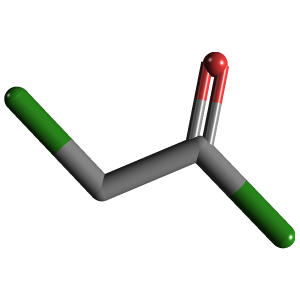
Chloroacetyl Chloride Structure
1.25×
Chloroacetyl chloride is an acyl halide.
3D conformer
Chloroacetyl Chloride Formula
- CAS Number
- 79-04-9
- Molecular formula
- C2H2Cl2O
- Molecular weight
- 112.94
- Exact mass
- 111.9482701
- IUPAC name
- 2-chloroacetyl chloride
- SMILES
C(C(=O)Cl)Cl- InChI
InChI=1S/C2H2Cl2O/c3-1-2(4)5/h1H2- InChIKey
VGCXGMAHQTYDJK-UHFFFAOYSA-N
Data source: Pubchem
view
Chloroacetyl Chloride Industries & Uses
Toxic Gas from Spilling Chemical in Water
Chloroacetyl Chloride Synonyms (83 total)
201-171-6
2-chloroacetic acid chloride
2-chloroacetic chloride
2-chloro acetylchloride
2-chloro-acetyl chloride
2-chloro-acetylchloride
2-chloroacetyl chloride
2-chloroacetylchloride
Acetyl chloride, 2-chloro-
Acetyl chloride, chloro-
a-chloroacetyl chloride
AKOS000121312
alpha-chloro-acetylchloride
alpha-chloroacetylchloride
.alpha.-Chloroacetyl chloride
alpha-Chloroacetyl chloride
BRN 0605439
CAS-79-04-9
CCRIS 9145
CH2ClCOCl
79-04-9
CHEBI:34624
CHEMBL3187685
chioroacetyl chloride
chloracetylchloride
Chloracetyl chloride
CHLORACETYL CHLORIDE [MI]
Chlorid kyseliny chloroctove
Chlorid kyseliny chloroctove [Czech]
chloroacethyl chloride
Chloroacetic acid chloride
Chloroacetic Acid Chloride; Chloroacetic Chloride; Chloroethanoyl Chloride; Monochloroacetyl Chloride;
Chloroacetic chloride
chloroacetylchlonde
chloro acetylchlorid
Chloroacetylchlorid
chloro acetyl chloride
chloro-acetyl chloride
chloro-acetylchloride
chloroacetyl chloride-
chloroacetyl-chloride
Chloro acetylchloride
ChloroacetylChloride
CHLOROACETYL CHLORIDE
Chloroacetyl chloride, 98%
CHLOROACETYL CHLORIDE [HSDB]
Chloroacetyl chloride, purum, >=99.0% (GC)
Chloroacetyl chloride [UN1752] [Poison]
chloroacetyl choride
chloroacetylchoride
chloro-actyl chloride
chloroactyl chloride
chloroactylchloride
Chloroethanoyl chloride
Chlorure de chloracetyle
Chlorure de chloracetyle [French]
choroacetyl chloride
ClCH2COCl
DTXCID306472
DTXSID4026472
EC 201-171-6
EINECS 201-171-6
EN300-19172
HSDB 973
InChI=1/C2H2Cl2O/c3-1-2(4)5/h1H
K5UML06YUO
MFCD00000725
monochloroacetic acid chloride
Monochloroacetyl chloride
NCGC00248777-01
NCGC00258198-01
NS00004813
Q411258
RefChem:125361
SBB040859
SCHEMBL13269824
SCHEMBL9584
ST50214449
Tox21_200644
UN 1752
UN1752
UNII-K5UML06YUO
VS-03683
Chloroacetyl Chloride Safety & hazards
Signal wordDanger
Hazard statements
- H301: Toxic if swallowed [Danger Acute toxicity, oral]
- H311: Toxic in contact with skin [Danger Acute toxicity, dermal]
- H314: Causes severe skin burns and eye damage [Danger Skin corrosion/irritation]
- H331: Toxic if inhaled [Danger Acute toxicity, inhalation]
- H372 **: Causes damage to organs through prolonged or repeated exposure [Danger Specific target organ toxicity, repeated exposure]
- H400: Very toxic to aquatic life [Warning Hazardous to the aquatic environment, acute hazard]
- H290 (52.9%): May be corrosive to metals [Warning Corrosive to Metals]
- H301 (100%): Toxic if swallowed [Danger Acute toxicity, oral]
- H310 (35.3%): Fatal in contact with skin [Danger Acute toxicity, dermal]
- H311 (64.7%): Toxic in contact with skin [Danger Acute toxicity, dermal]
- H314 (100%): Causes severe skin burns and eye damage [Danger Skin corrosion/irritation]
- H318 (65.8%): Causes serious eye damage [Danger Serious eye damage/eye irritation]
- H331 (100%): Toxic if inhaled [Danger Acute toxicity, inhalation]
- H372 (99.7%): Causes damage to organs through prolonged or repeated exposure [Danger Specific target organ toxicity, repeated exposure]
- H400 (100%): Very toxic to aquatic life [Warning Hazardous to the aquatic environment, acute hazard]
- H410 (39.7%): Very toxic to aquatic life with long lasting effects [Warning Hazardous to the aquatic environment, long-term hazard]
- H318: Causes serious eye damage [Danger Serious eye damage/eye irritation]
- H370: Causes damage to organs [Danger Specific target organ toxicity, single exposure]
- H372: Causes damage to organs through prolonged or repeated exposure [Danger Specific target organ toxicity, repeated exposure]
- H315: Causes skin irritation [Warning Skin corrosion/irritation]
- H319: Causes serious eye irritation [Warning Serious eye damage/eye irritation]
- H330: Fatal if inhaled [Danger Acute toxicity, inhalation]
- H410: Very toxic to aquatic life with long lasting effects [Warning Hazardous to the aquatic environment, long-term hazard]
Data sourced from PubChem