nickel(II) fluoride Chemical Formula
difluoronickel
nickel(II) fluoride CAS No: 10028-18-9 nickel(II) fluoride Molecular formula: F2Ni PubChem CID: 24825
Hazard
Danger
nickel(II) fluoride Chemical Manufacturers and suppliers listings
No active product listings for nickel(II) fluoride chemical yet.
nickel(II) fluoride Structure
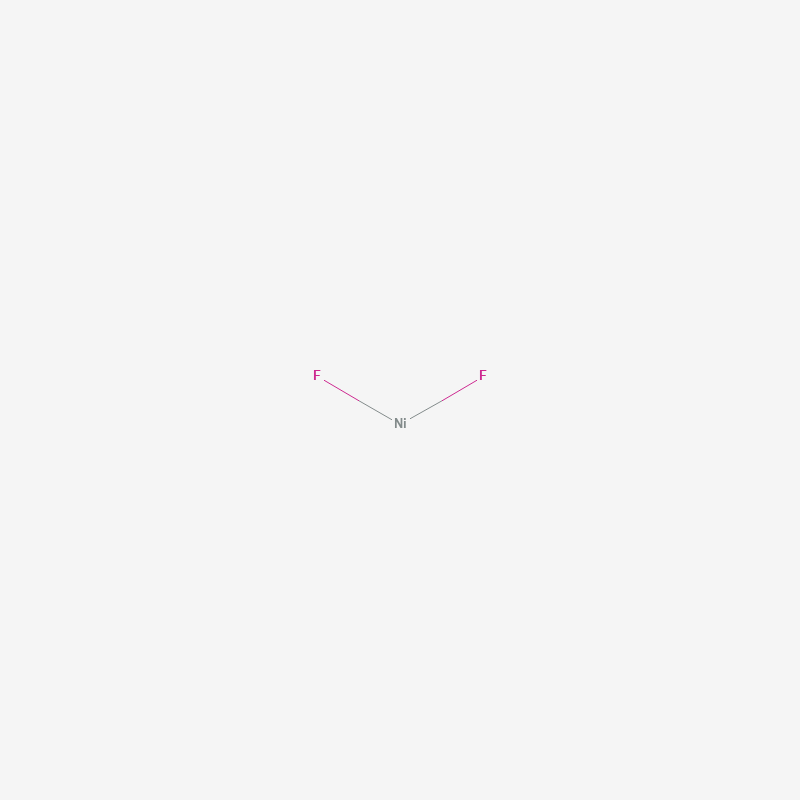
1.25×
nickel(II) fluoride Formula
- CAS Number
- 10028-18-9
- Molecular formula
- F2Ni
- Molecular weight
- 96.690
- Exact mass
- 95.932148
- IUPAC name
- difluoronickel
- SMILES
F[Ni]F- InChI
InChI=1S/2FH.Ni/h2*1H;/q;;+2/p-2- InChIKey
DBJLJFTWODWSOF-UHFFFAOYSA-L
Data source: Pubchem
view
nickel(II) fluoride Industries & Uses
Battery Manufacturing
nickel(II) fluoride Synonyms (29 total)
10028-18-9
233-071-3
69NBB20493
AKOS015903760
CS-0110887
difluoronickel
DTXCID7032503
DTXSID5064912
EC 233-071-3
EINECS 233-071-3
HSDB 1826
HY-W075766
Niccolum Fluoratum
Nickel difluoride
NICKEL FLUORIDE
Nickel fluoride, anhydrous
Nickel fluoride (NiF2)
Nickel(II) fluoride
Nickel(II)fluoride
Nickel(II) fluoride (1:2)
NICKEL (II) FLUORIDE ANHYDROUS
Nickelous fluoride
NiF2
orb2939782
Q416623
RefChem:165666
SCHEMBL1256092
TYD-00801
UNII-69NBB20493
nickel(II) fluoride Safety & hazards
Signal wordDanger
Hazard statements
- H317: May cause an allergic skin reaction [Warning Sensitization, Skin]
- H334: May cause allergy or asthma symptoms or breathing difficulties if inhaled [Danger Sensitization, respiratory]
- H341: Suspected of causing genetic defects [Warning Germ cell mutagenicity]
- H372 **: Causes damage to organs through prolonged or repeated exposure [Danger Specific target organ toxicity, repeated exposure]
- H400: Very toxic to aquatic life [Warning Hazardous to the aquatic environment, acute hazard]
- H410: Very toxic to aquatic life with long lasting effects [Warning Hazardous to the aquatic environment, long-term hazard]
- H317 (100%): May cause an allergic skin reaction [Warning Sensitization, Skin]
- H334 (> 99.9%): May cause allergy or asthma symptoms or breathing difficulties if inhaled [Danger Sensitization, respiratory]
- H341 (> 99.9%): Suspected of causing genetic defects [Warning Germ cell mutagenicity]
- H350 (95.2%): May cause cancer [Danger Carcinogenicity]
- H360 (95.1%): May damage fertility or the unborn child [Danger Reproductive toxicity]
- H372 (> 99.9%): Causes damage to organs through prolonged or repeated exposure [Danger Specific target organ toxicity, repeated exposure]
- H400 (> 99.9%): Very toxic to aquatic life [Warning Hazardous to the aquatic environment, acute hazard]
- H410 (> 99.9%): Very toxic to aquatic life with long lasting effects [Warning Hazardous to the aquatic environment, long-term hazard]
- H302: Harmful if swallowed [Warning Acute toxicity, oral]
- H315: Causes skin irritation [Warning Skin corrosion/irritation]
- H318: Causes serious eye damage [Danger Serious eye damage/eye irritation]
- H332: Harmful if inhaled [Warning Acute toxicity, inhalation]
- H372: Causes damage to organs through prolonged or repeated exposure [Danger Specific target organ toxicity, repeated exposure]
Data sourced from PubChem