sulfur dioxide Chemical Formula
sulfur dioxide
sulfur dioxide CAS No: 7446-09-5 sulfur dioxide Molecular formula: O2S PubChem CID: 1119
Hazard
Danger
sulfur dioxide Chemical Manufacturers and suppliers listings
No active product listings for sulfur dioxide chemical yet.
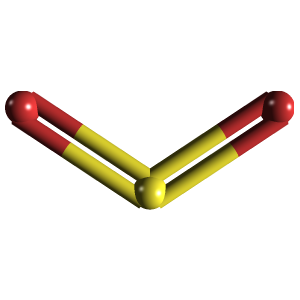
sulfur dioxide Structure
1.25×
Sulfur Dioxide can cause developmental toxicity according to an independent committee of scientific and health experts.
3D conformer
sulfur dioxide Formula
- CAS Number
- 7446-09-5
- Molecular formula
- O2S
- Molecular weight
- 64.07
- Exact mass
- 63.96190041
- IUPAC name
- sulfur dioxide
- SMILES
O=S=O- InChI
InChI=1S/O2S/c1-3-2- InChIKey
RAHZWNYVWXNFOC-UHFFFAOYSA-N
Data source: Pubchem
view
sulfur dioxide Industries & Uses
Aluminum Producing
Steel Producing
Forging
Molding and Core Making
Petroleum Production and Refining
Battery Manufacturing
Smelting Copper or Lead
Pulp and Paper Processing
Textiles (Fiber & Fabric Manufacturing)
Using Disinfectants or Biocides
Farming (Pesticides)
Sewer and Wastewater Treatment
Leather Tanning and Processing
Photographic Processing
Cement Producing
Glass Manufacturing
Metal Extraction and Refining
Ceramics making
Glassblowing
Jewelry making
Burning biomass fuel for cooking and heating
sulfur dioxide Synonyms (87 total)
0UZA3422Q4
231-195-2
67015-63-8
7446-09-5
AKOS015904447
Anhydride, Sulfurous
C09306
Caswell No. 813
CCRIS 9001
CHEBI:18422
CHEMBL1235997
D05961
Dioxide, Sulfur
dioxidosulfur
Dioxo-lambda~4~-sulfane
DTXCID009672
DTXSID6029672
E-220
E220
EC 231-195-2
EINECS 231-195-2
EPA Pesticide Chemical Code 077601
FEMA 3039
FEMA No. 3039
Fermenicide liquid
Fermenicide powder
Fermenticide liquid
HSDB 228
InChI=1/O2S/c1-3-2
INS-220
INS NO.220
NS00076361
(oxo-lambda4-sulfanylidene)oxidane
Oxosulfane oxide
Oxosulfane oxide #
Q5282
R-764
RAHZWNYVWXNFOC-UHFFFAOYSA-
RefChem:6693
SCHEMBL945
Schwefeldioxid
Schwefeldioxyd
Schwefeldioxyd [German]
Schwefel(IV)-oxid
Siarki dwutlenek
Siarki dwutlenek [Polish]
[SO2]
SO2
sulfer dioxide
sulfonyl
sulfur dioxide
Sulfurdioxide
SULFUR-DIOXIDE
Sulfur dioxide, >=99.9%
Sulfur dioxide, >=99.98%
Sulfur Dioxide (ca. 2.5% in Dichloromethane, ca. 0.5 mol/L)
Sulfur Dioxide (ca. 8% in Tetrahydrofuran, ca. 1.2 mol/L)
SULFUR DIOXIDE (E 220)
SULFUR DIOXIDE [FCC]
SULFUR DIOXIDE [FHFI]
SULFUR DIOXIDE [HSDB]
SULFUR DIOXIDE [IARC]
SULFUR DIOXIDE [II]
SULFUR DIOXIDE [MART.]
SULFUR DIOXIDE [MI]
Sulfur dioxide (NF)
Sulfur dioxide [NF]
Sulfur dioxide (SO2)
Sulfur dioxide (SO2) 10% by volume or more SO2
Sulfur dioxide [UN1079] [Poison gas]
Sulfur dioxide [UN1079] [Poison gas]
Sulfurous acid anhydride
Sulfurous anhydride
SULFUROUS ANHYDRIDE (E220)
Sulfurous oxide
SULFUROXIDE
Sulfur oxide (SO2)
Sulfur superoxide
sulfuryl
sulphonyl
sulphur dioxide
Surfur dioxide (anhydrous)
U0147
U0148
UN 1079
UN1079
UNII-0UZA3422Q4
sulfur dioxide Safety & hazards
Signal wordDanger
Hazard statements
- H314: Causes severe skin burns and eye damage [Danger Skin corrosion/irritation]
- H331: Toxic if inhaled [Danger Acute toxicity, inhalation]
- H370: Causes damage to organs [Danger Specific target organ toxicity, single exposure]
- H280 (19.3%): Contains gas under pressure; may explode if heated [Warning Gases under pressure]
- H314 (83.7%): Causes severe skin burns and eye damage [Danger Skin corrosion/irritation]
- H331 (82.2%): Toxic if inhaled [Danger Acute toxicity, inhalation]
- H280: Contains gas under pressure; may explode if heated [Warning Gases under pressure]
- H319: Causes serious eye irritation [Warning Serious eye damage/eye irritation]
- H372: Causes damage to organs through prolonged or repeated exposure [Danger Specific target organ toxicity, repeated exposure]
- H318: Causes serious eye damage [Danger Serious eye damage/eye irritation]
Data sourced from PubChem
